
When designing UI/UX there three things that need to be defined; a problem, a goal, and a solution.
Aaron Benjamin writes in his blog, Design: How to Define a Problem, “The greatest challenge in creating something is balancing how it looks and feels with how useful it is. Finding the sweet spot between aesthetics and utility is where the magic happens and the audience “just gets it.”’
The problem statement can be difficult because there are so many variables that can contribute to the said problem. The goal of the problem statement is to help form a possible solution, and there can be large amounts of data to sort through.
Here is an example of a problem state:
____________is a challenge for _____________ because _____________________
Interaction Design Foundation published an article titled, Stage 2 in the Design Thinking Process: Define the Problem and Interpret the Results by Rikke Friis Dam and Teo Yu Siang and they write, “When you learn how to master the definition of your problem, problem statement, or design challenge, it will greatly improve your Design Thinking process and result. Why? A great definition of your problem statement will guide you and your team’s work and kick start the ideation process in the right direction. It will bring about clarity and focus to the design space. On the contrary, if you don’t pay enough attention to defining your problem, you will work like a person stumbling in the dark.”
Once you have a grasp at problem statements you need to dig a little deeper with a point of view (POV), which searches for three elements; a user, a need, and insight. A format to guide you in writing a POV statement is:
[User . . . (descriptive)] needs [need . . . (verb)] because [insight. . . (compelling)]
Friis and Siang write, “A Point Of view (POV) is a meaningful and actionable problem statement, which will allow you to ideate in a goal-oriented manner. Your POV captures your design vision by defining the RIGHT challenge to address in the ideation sessions. A POV involves reframing a design challenge into an actionable problem statement. You articulate a POV by combining your knowledge about the user you are designing for, his or her needs and the insights which you’ve come to know in your research or Empathise mode. Your POV should be an actionable problem statement that will drive the rest of your design work.”
The key to this statement is meaningful and actionable. To really key in on what the problem is you need to listen to what the research and data are telling you. Customer feedback is critical. It’s easy to sift through the haters and the lovers and get to the real issues and problems that need to be addressed.
Here are some examples of constructive criticism that can help with sculpting a POV statement.
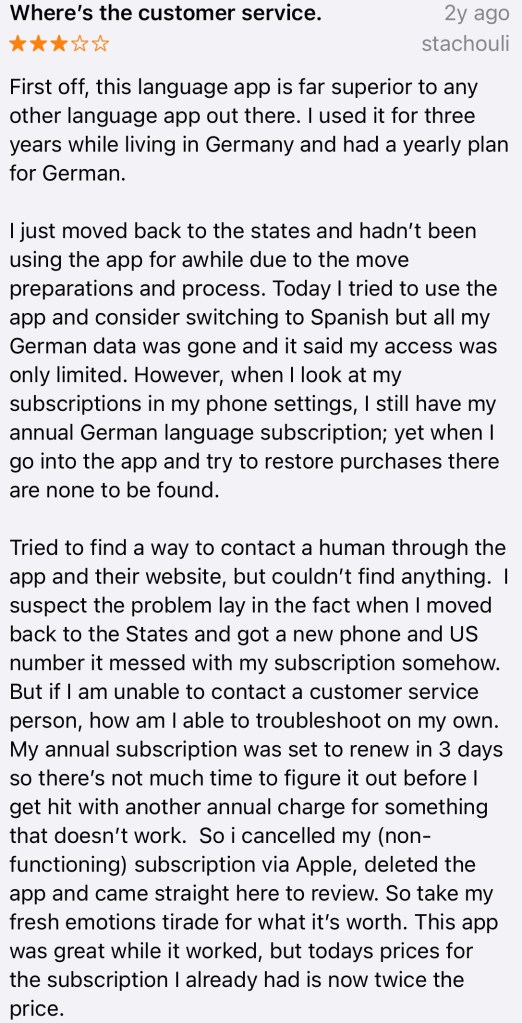

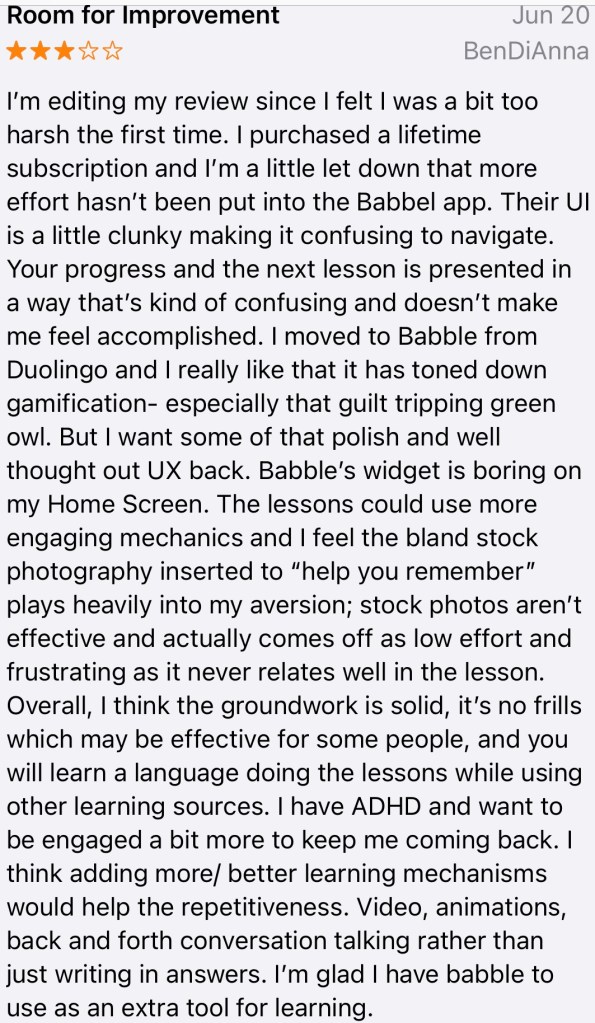
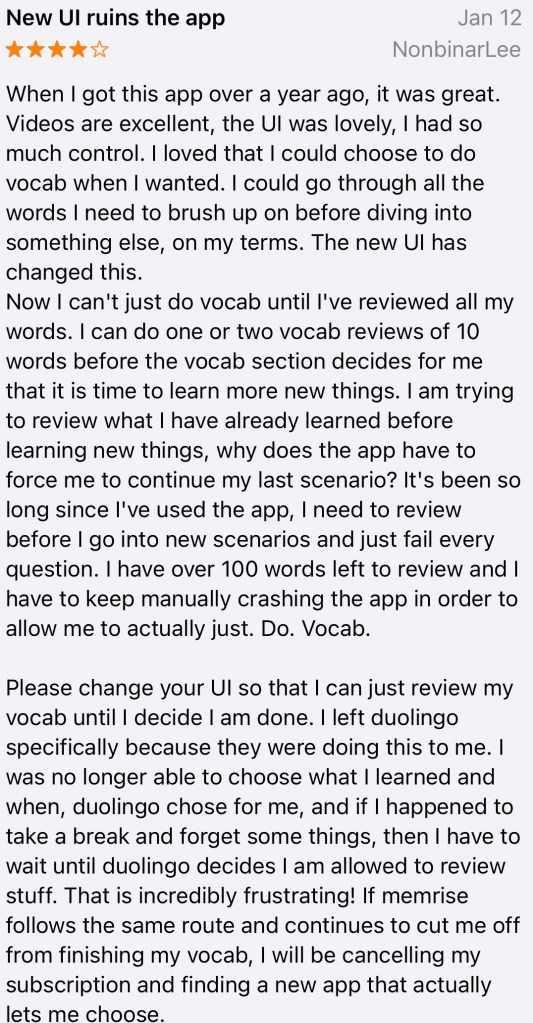
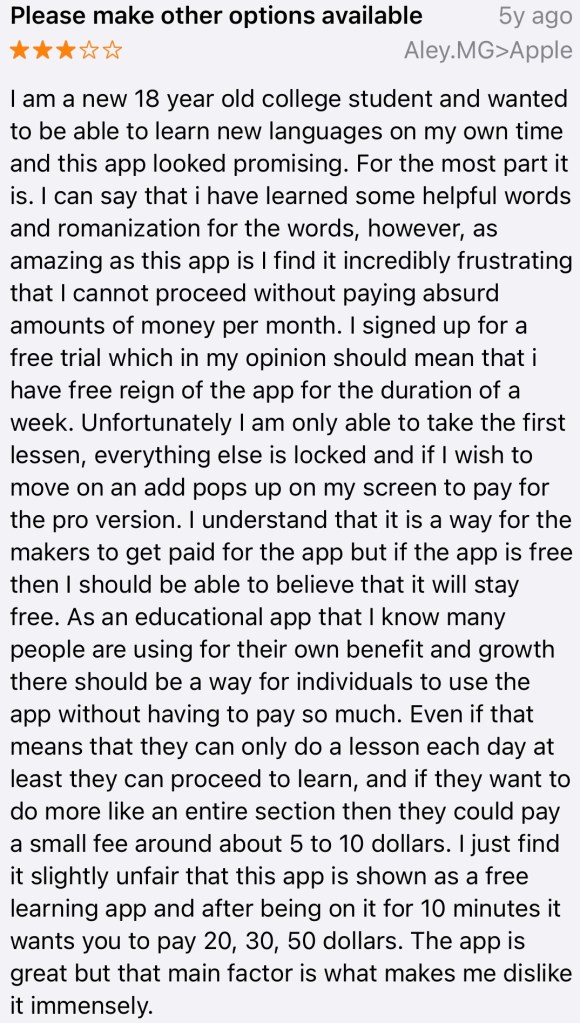
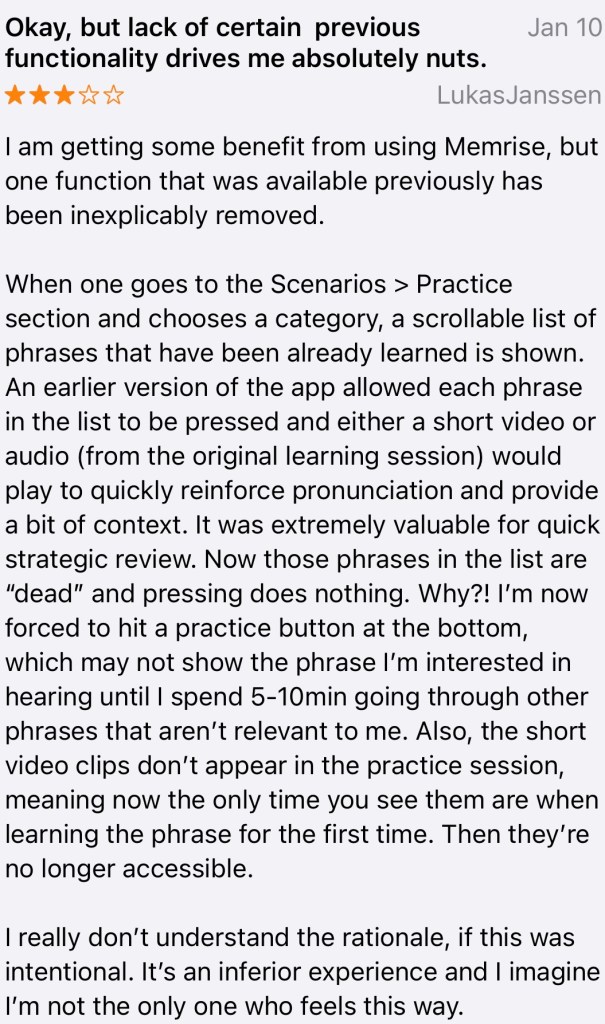
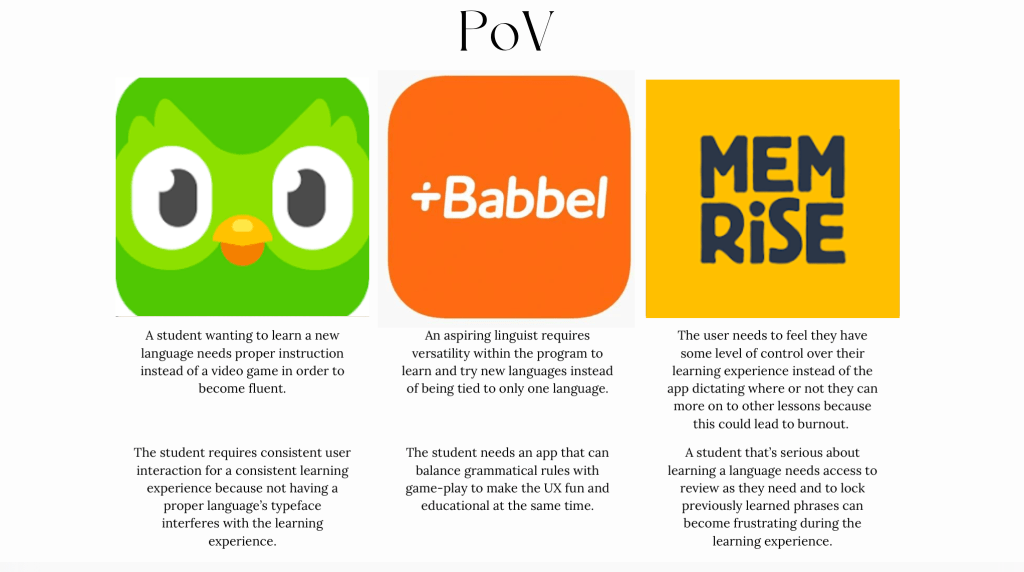
Use the feedback to create a better product and experience. At the end of the day we are looking to make our user’s lives easier and less frustrating than it might already be.
 JD Photography
Leave a comment