
Atychiphobia is an intense fear of failure. I have failed too many times to count; promotions I’ve lost, relationships that ended, or jobs I left. Instead of seeing them as failures, I see all of them as growth. I learned more about who I am from those experiences than if there were no turbulence.
“John, this is supposed be a blog about Design Sprints. Why are you walking about failure?”
A great question, by a great inner voice, thank you.
This week’s readings were from Sprint: How to Solve Big Problems and Test New Ideas in Just Five Days by Jake Knapp, John Zeratsky, and Braden Kowitz, as well as The Sprint Handbook: a step-by-step guide to planning and running innovation Sprints by Pattie Belle Hastings.
What impacts me the most (so far) is, “As a design professor, I focus on an unconventional teaching method: instructing students on the art of failure,” writes Hastings. “Many students are starting their college journeys burdened with an overwhelming dread of failure.”
I feel I’m in this class learning about Design Sprints because of what some would call a “failure.” The lead in the Preface of Sprint Knapp writes, “What I was doing at work wasn’t working.”
Instead of Knapp just going through the motions of a working he wanted his “time on the job to be as meaningful as my time with family.” He invested on improving himself, growing and analyzing his self-organization.
When he arrived at Google he thrived. “I found the perfect culture for a process geek,” Knapp says. He began brainstorming workshops with engineers. Those workshops evolved into what is now the Design Sprint.
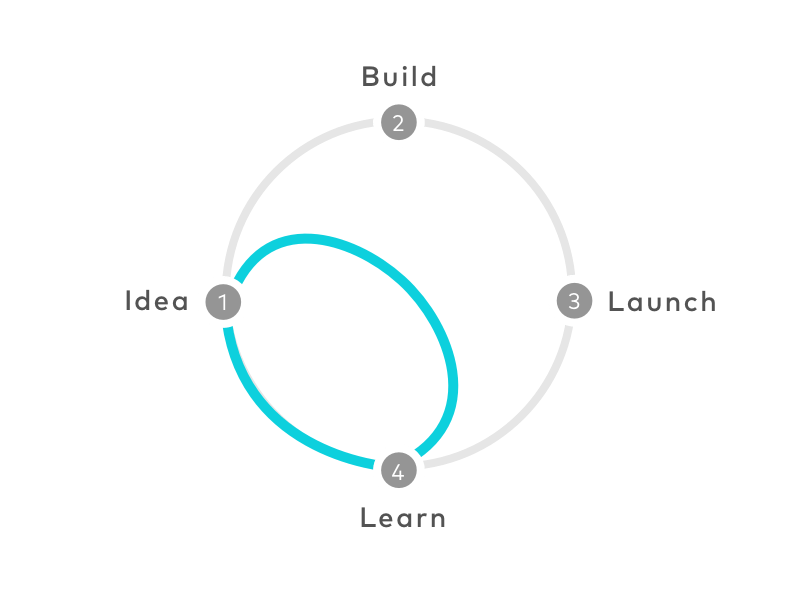
I skipped over years of work in that evolutionary process. The workshops were fun and engaging, but results were not. He learned what wasn’t working, tightened deadlines, got more diverse team (engineers, designers, product manager, etc.), and add time to work on the problem as an individual and then as a team.
I’ve said it once and I’ll say it again, he grew. At any point he could have thrown his hands up and said he failed, but he didn’t. The culture of experimentation allows for processes that in the short term may seem to be a failure are nothing more than an inevitable hurdle to greater growth and understanding.
Now, Design Sprints are conducted around the world. Many bloggers have written about their experiences and the impact the Sprint has on them and their team.
John Cheung writes in his article What Are Design Sprint?, published on careerfoundry.com, “Design sprints can be an extremely useful process for quickly and (relatively) cheaply understanding a problem, designing and evaluating potential solutions, and getting immediate customer feedback on prototypes.”
“The sprint helps to obtain a clear vision of the goals upfront. It forces you to make critical decisions and solve complex problems fast. This means that you and your team can save months of design, engineering and development costs. The bonus? You’ll be able to get your product to market faster because you focussed on the right thing,” writes Gloria Lo in her piece What’s a Design Sprint and why is it important?, published on UXPlanet.org.
I could have gone into detail about what each day encompasses in a Design Sprint and what the planning and sticky notes are about, but I feel like the establishment of a Sprint needs a foundation on experimentation. With experimenting there isn’t failure just a journey. So, looking back I don’t see any failures, I see gained knowledge of what wasn’t working.
 JD Photography
Leave a comment