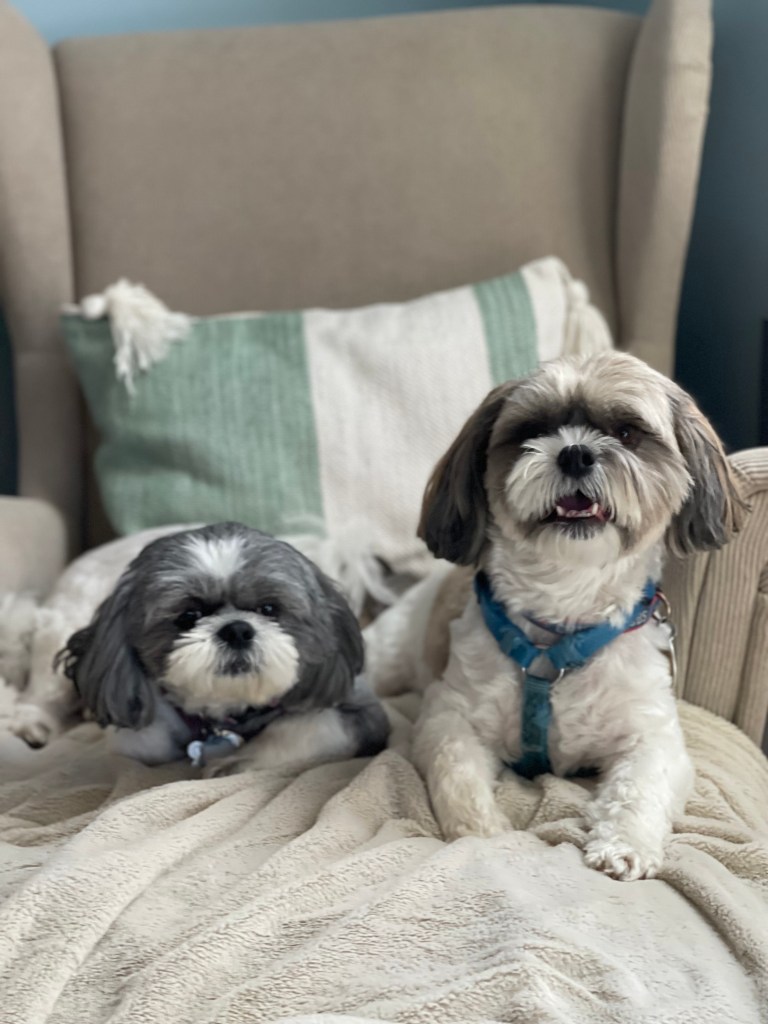
These two are a great audience to run ideas by coming from my brain out into the ether. They have simple reactions, full attention, or boredom. They are honest with their feedback and there is no in between.
There are audiences all around and we need to be mindful of who our audience is. So, who is our audience? William Zinsser says, “You are writing for yourself.” I agree.
We, ourselves, are our own worst critic. If we do not like something we have done, how can we have an expectation that someone else will? This requires honesty within us. If it is supposed to be funny, do we laugh? Are we sad if it is meant to be sad? We determine all of this.
“Don’t worry about whether the reader will ‘get it’ if you indulge a sudden impulse for humor. If it amuses you in the act of writing, put it in,” says Zinsser.
Back to my audience above, they are not good at constructive criticism. They cannot and will not tell me things I need to fix. They refuse to catch my grammatical and spelling errors. Why do I use them as an audience anyway?
They tell me if I am boring or, if I throw enough words in they understand, I will have their full attention. The truth of the matter is I speak aloud the words that came out of my brain and onto the pages. I hear those words out loud to see how they sound. Does what I’m saying make sense? How is the flow? My words hit differently when spoken outside of my head. I can hear my mistakes and make corrections.
As I think about my audience, I realize that instead of bribing my dogs with treats to get them to listen to me read, I can just read aloud to myself. But dogs are more fun to have around.
 JD Photography
Leave a comment